

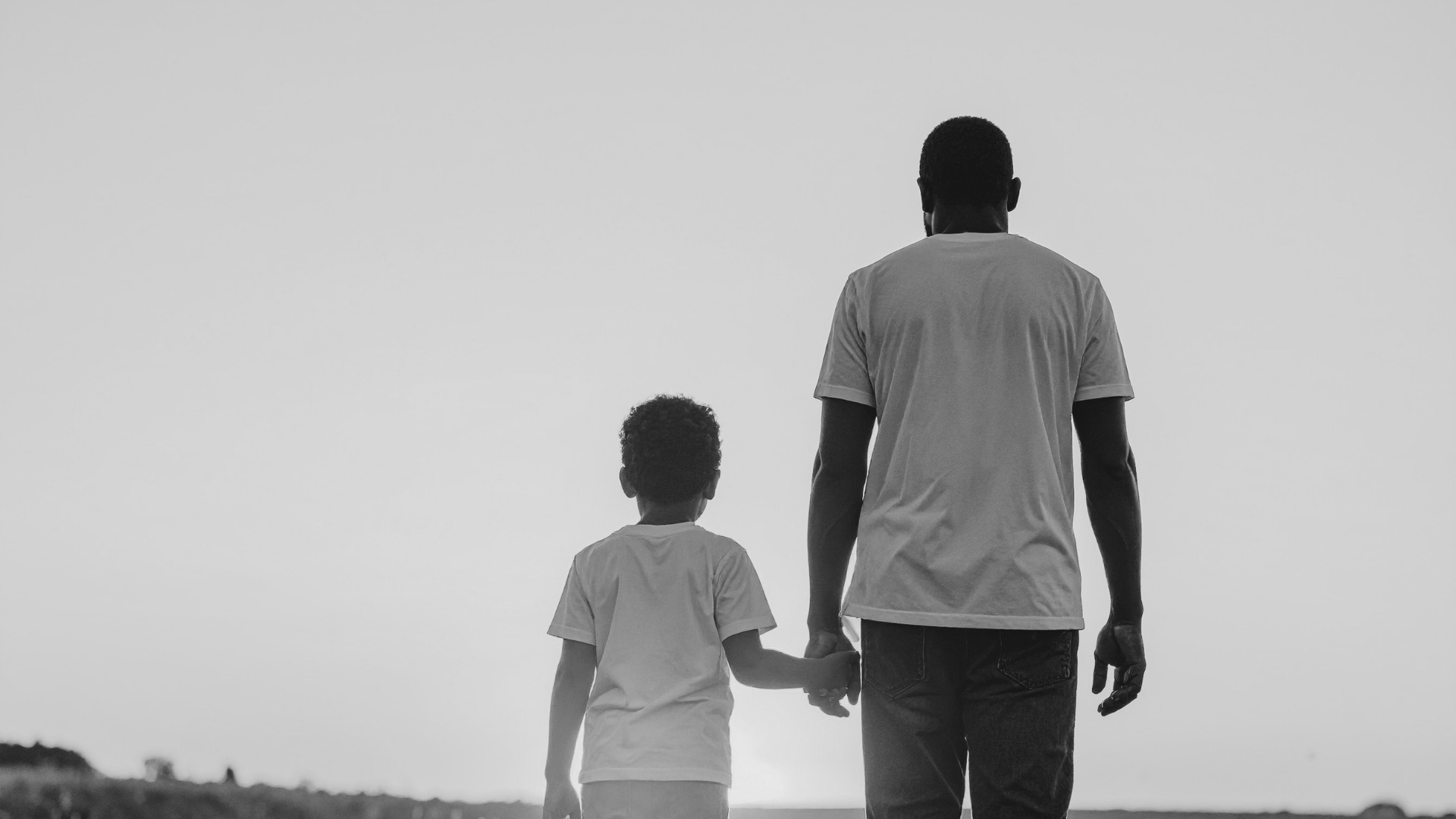
Every year, Father’s Day and Juneteenth arrive within days of each other.
At first glance, they feel like entirely unrelated holidays.
One celebrates fathers.
The other commemorates freedom.
Yet the more I’ve reflected on it, the more I realized that they share something important in common: Hope.
Not a naive hope that ignores reality.
Not a hope that pretends every wound has healed or every problem has been solved.
But the kind of hope that believes tomorrow can be different than today.
Juneteenth commemorates the day enslaved Black Americans in Galveston, Texas finally learned they were free. I’ve written more extensively about the history and significance of Juneteenth before, so I won’t revisit all of that here.
This year, I found myself thinking about the hope that accompanies freedom.
The hope that yesterday’s chains don’t have to define tomorrow’s possibilities.
The hope that future generations might experience more opportunities and less barriers.
The hope that freedom will truly extend “with liberty and justice for all.”
The hope that things can change.
But hope isn’t simple.
It requires unexplainable patience, indescribable peace, and unrelenting tenacity.
Because the truth is that freedom doesn’t erase injustice, eliminate every obstacle, or instantly create equality or opportunity for all.
What began as a celebration of declared freedom has become a generational journey toward an ever-moving target.
Yet hope remains.
The hope that the future could be better than the past.
And for some of us, Father’s Day carries a similar tension.
While some celebrate with a day filled with gratitude and celebration., others are reminded of loss, absence, disappointment, or pain.
As someone who grew up without my father, I understand that tension. Father’s Day was like a cultural slap every year—a reminder of everything I longed for but didn’t have.
Yet even within that tension, there is hope.
Hope that broken relationships can be restored.
Hope that generational cycles can be broken.
Hope that our children can inherit something healthier than what we received.
Hope that healing is possible.
Hope that families can look different tomorrow than they do today.
That’s why I think both holidays being near the same weekend is not a tension to be managed, but an opportunity to embrace.
Both remind us that our past does not have to dictate our future.
Both invite us to imagine something better.
Both point toward restoration.
As followers of Jesus, this kind of hope is at the center of our faith.
The Gospel is the story of God stepping into brokenness and declaring that it does not get the final word.
It is the story of chains being broken.
Of captives being set free.
Of relationships being restored.
Of old things becoming new.
It’s the belief that what is can be transformed into what should be.
This weekend, many of us will celebrate fathers.
Many of us will reflect on freedom.
Some of us will carry joy.
Others will carry grief.
And most of us will carry a little of both.
But regardless of where we find ourselves, perhaps these two observances invite us to hold onto the same truth: The chains of yesterday do not have to be the chains of tomorrow.
Because of the people who came before us.
Because of the choices we make today.
And ultimately, because of the hope we have in Jesus.
Hope that healing is possible.
Hope that freedom matters.
Hope that restoration can happen.
Hope that tomorrow can be different than today.
And that’s worth celebrating!
Continue Reading:

If you’re unfamiliar with Juneteenth or would like to better understand its significance, check out Juneteenth in the Church: A Faith-Based Perspective.
While this article focused on hope, that piece explores the history, context, and why this holiday matters to the Church today.

Hi! I’m Torrie. Thanks for stopping by.
If this article encouraged you, provided language for what you’re feeling,
or challenged you, I’d love to hear your story in a comment below.